
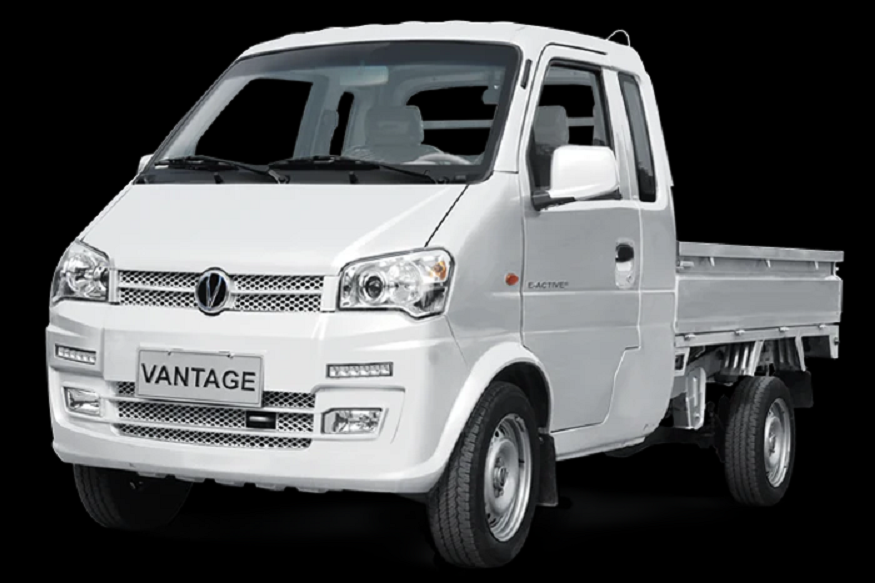
Low-speed vehicles are much more than just a means of transportation, whether it’s the flashing lights in your rearview mirror, the commanding presence at a community event, or the quick reaction to an emergency. They serve as tactical command centres, mobile offices, and public safety icons. Electric LSVs for public safety agencies play a crucial role in ensuring safety. For those agencies, while still capable of transporting people and materials, our electric models offer a useful choice for short-distance travel.
Understanding the various functions and specific designs of these vehicles offers an intriguing window into the operational requirements of contemporary policing for military and security professionals, civilian fleet managers, and car lovers alike.
You may have observed an increase in the number of small, electric vehicles on the road, particularly in urban areas, resorts, and the vicinity of business and academic campuses. These are referred to as low-speed vehicles, or LSVs, rather than ordinary cars. LSVs are designed for lower speeds and shorter distances than conventional automobiles. Additionally, they are revolutionizing transportation by providing a more economical, safe, and hygienic means of transportation.
Further, we’ll discuss exactly what an LSV is and why it is important through this article, so keep reading to understand.
What is a Low-Speed Vehicle (LSV)?
A small electric vehicle intended for low-speed driving is called an LSV. Low-speed vehicles, in contrast to ordinary cars, are typically designed to reach speeds of up to 25 miles per hour. They are therefore ideal for places like parks, small towns, or universities where people are not in a hurry.
These cars run entirely on batteries rather than fuel because they are electric. Because they don’t emit any emissions, this makes them more ecologically friendly. Additionally, they are typically quieter than standard cars, which reduces noise in crowded places.
Read More: What Retailers Should Know About Consumer Financing Trends
Where Do LSVs Get Used?
LSVs are appearing everywhere! You may frequently encounter them in the following locations:
- Resorts and Hotels: Many resorts use slow-speed cars to move visitors around the grounds.
- Golf Courses: Although many of the golf carts you see on the greens are actually LSVs, you’ve probably seen them before.
- Urban Areas: LSVs operate in parks and neighborhoods in some cities where conventional cars can be too loud or fast.
- Campuses: LSVs enable people to travel around rapidly without a full-size car in big businesses and universities.
How Do LSVs Affect Transportation?
Now that you know of the uses for low-speed vehicles, let’s discuss their significance. Here are some examples of how LSVs are changing our perspective on transportation.
1.LSVs Are Eco-Friendly
LSVs don’t produce carbon emissions because they are electric vehicles. Because they reduce pollutants, this is a huge victory for the environment. We all gain from cleaner air and a healthier planet when more people take short trips in low-speed cars rather than gas-powered ones.
2.LSVs Provide Affordable and Accessible Transportation
Regular car ownership can be costly for many people. Since low-speed cars are often far less expensive than standard cars, more people may afford them. Additionally, LSVs are less expensive to run and maintain because they function on batteries.
Some people opt for LSVs because they desire an easy, affordable mode of transportation without worrying about paying for gas or costly repairs.
Read More: The Role of Credit History Depth in Interest Rate Outcomes
3.LSVs Help Reduce Traffic and Noise
Regular cars can cause a lot of noise and traffic in crowded neighborhoods and on campuses. Low-speed vehicles help in resolving this issue. LSVs make less noise since they move more slowly, which makes areas calmer and quieter. Additionally, using low speed vehicles for short journeys helps ease traffic because fewer full-size automobiles are on the road.